Fresh data insights from Automattic.
Dive into our blog where we turn complex data into clear, actionable insights. Stay tuned for fresh perspectives and expert advice from the heart of Automattic’s data team.
-
How to Organize a Data Book Club at Work
Why a Book Club? Automattic has a creed that informs everything we do. And the very first part of the creed is “I will never stop learning”. The first and most important line of the creed means that you’re never finished. There is always more to learn. Your list of unread books is always going to…

-
Women of Datamattic | Menaka Sankaralingam
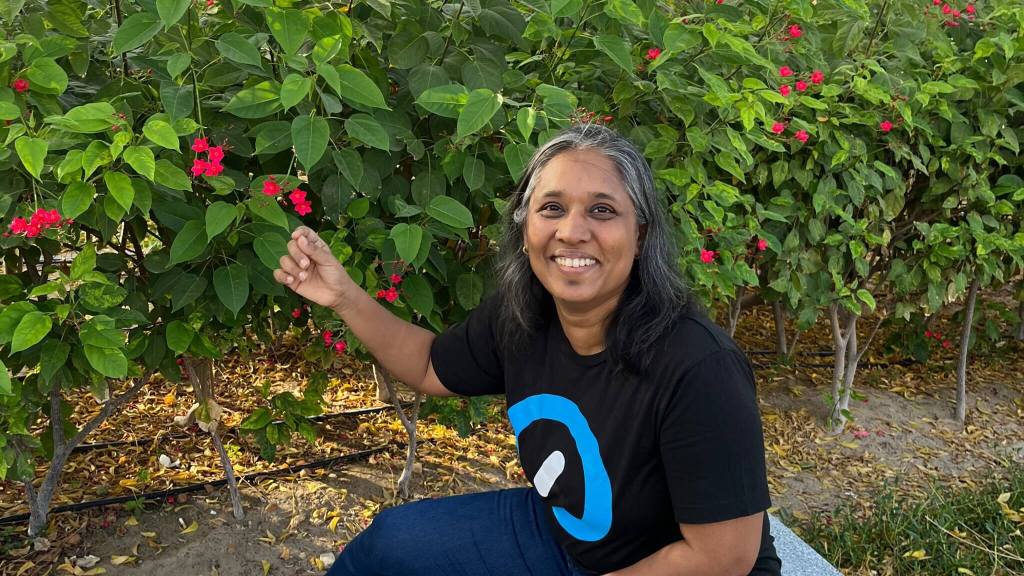
Welcome to Women of Datamattic—conversations with some of the remarkable women working all over the world to build, maintain, and explore Automattic’s data landscape and make the web a better place. Today’s interviewee is the Code Wrangler, Menaka Sankaralingam.
-
Women of Datamattic: Madison Swain-Bowden
Welcome to Women of Datamattic—conversations with some of the remarkable women working all over the world to build, maintain, and explore Automattic’s data landscape and make the web a better place. Today’s interviewee is the Data Pagan, Madison Swain-Bowden.

-
Women of Datamattic: Anna Elek
Welcome to Women of Datamattic—conversations with some of the remarkable women working all over the world to build, maintain, and explore Automattic’s data landscape and make the web a better place. Today’s interviewee is our Head of Data, Anna Elek.

-
The Data Docs: A WordPress based Data Discoverability Tool
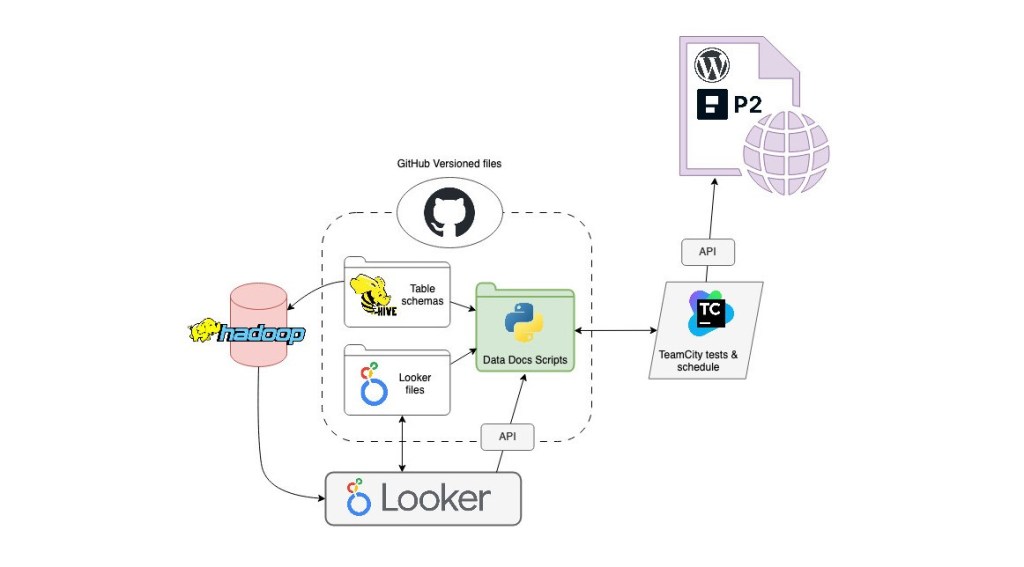
The Data Docs is Automattic’s new home made data discoverability solution. It collects and publishes our datasets’ metadata to Wordpress so it is accessible and searchable by our users. Here we describe the idea from its conception and explain how it works.
-
Stocking Stuffers for the Data Team
Santa is making a list and checking it twice – and if anyone knows the value of double-checking the results while analyzing a large data set – it’s our company’s data team. So we asked them to share their expertise and let us know what they hoped to see under their trees this year. Great Pens…

-
Automattic’s First Data+ Meetup
How do you bring together an organizational archipelago of data teams? Madison Swain-Bowden – Data Wrangler with Openverse at Automattic How do you bring together an organizational archipelago of data teams? How do you foster unity between data‑focused employees spread across a central division, various sub‑teams, and even individual team members wholly isolated from other…

-
How to Save Time with Alfred, Stream Deck, and Apple Shortcuts
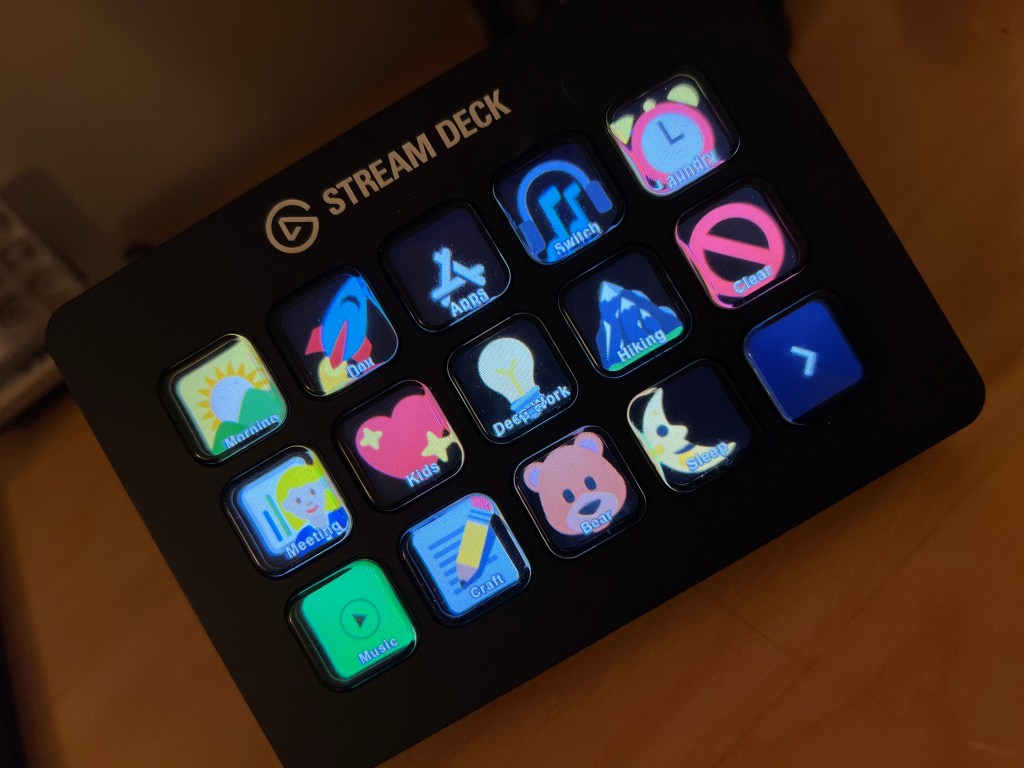
Most people automate parts of their job because they find it boring. I did it because I have four kids. I used Alfred, Stream Deck, and Apple Shortcuts to automate my workflow and make the start of my day easier.
-
How to profit from an Analytics Skill Matrix
These job postings usually arise due to a problem of inaccurate needs assessments, resulting in a delayed and complex hiring process Javier Andrés Tiniaco Leyba – Tumblr Data Science Analytics Team Lead at Automattic The Analytics Skill Matrix is a tool we use in Data teams throughout Automattic. It developed from our interest in creating…

-
Challenge Hiring Assumptions with Data
We use experiments to model reality (sometimes to create alternative realities as in A/B experiments), to understand reality, and ultimately, to make decisions moving us ever closer to our goals. Improving iteratively, we learn not only from successful experiments but also from failed attempts. Experiments are important because they provide us with measurements. And measurements…