Fresh data insights from Automattic.
Dive into our blog where we turn complex data into clear, actionable insights. Stay tuned for fresh perspectives and expert advice from the heart of Automattic’s data team.
-
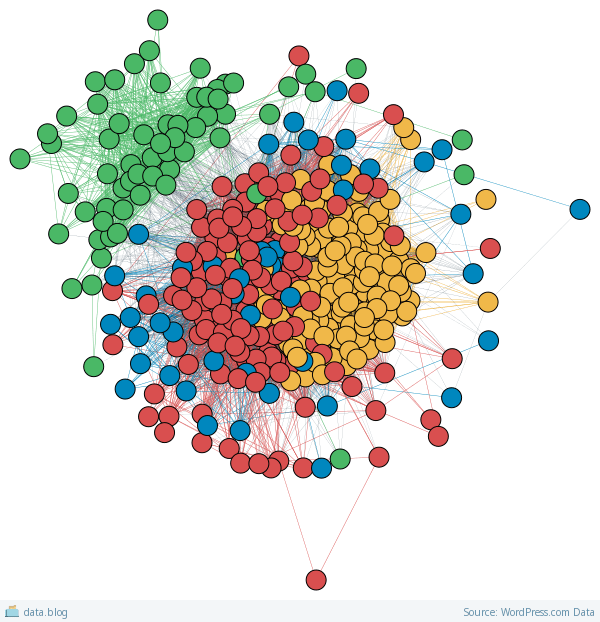
How Communication Density Fuels Automattic
How does meeting in person affect our interpersonal communication at Automattic? Demet Dagdelen reveals all.
-
This Week in Data Reading
This week, Sirin, Boris, and Demet have some recommended reading for you in the fields of descriptive data analysis, machine learning, and artificial intelligence.

-
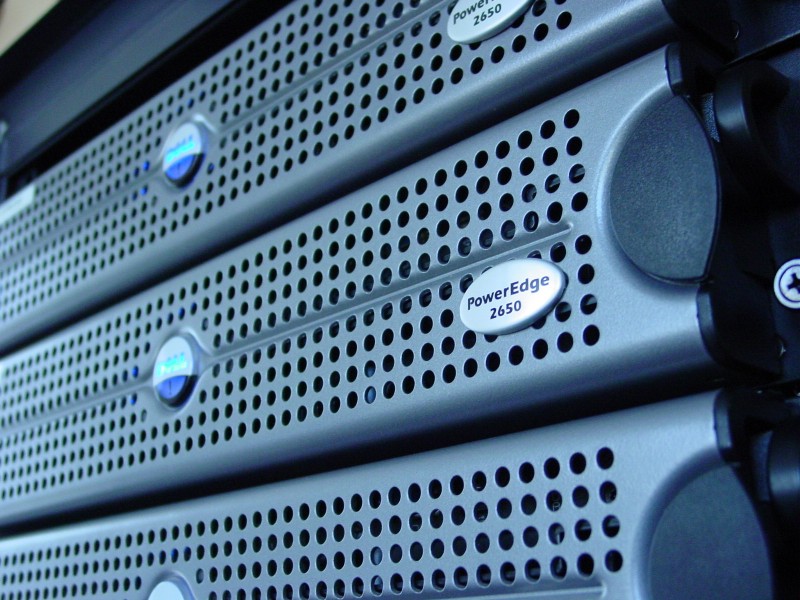
Real-Time Elasticsearch Indexing on WordPress.com
Love databases, indexing, and Elasticsearch gymnastics? Greg Brown walks us through the indexing sausage factory on WordPress.com.
-
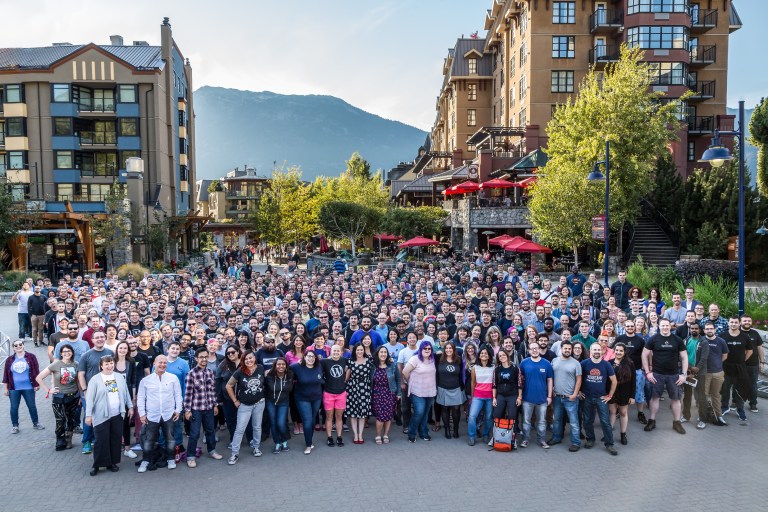
data.coalesce() — Automattic Data Division Meets in Montréal
Want to know what Automattic data wranglers do when they meet up? Carly Stambaugh takes you behind the scenes.

-
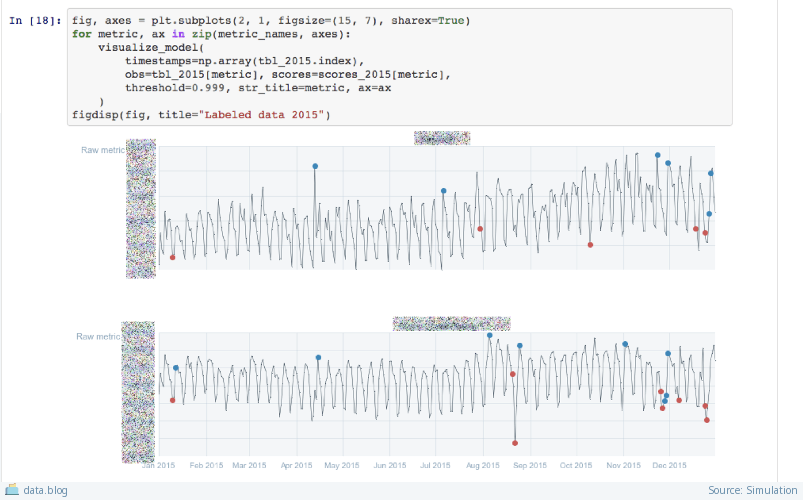
Time Series Analysis: When “Good Enough” is Good Enough
Anomaly detection and time series forecasting are valuable in monitoring the financial and technical health of an organization. Proper modeling of time series requires accounting for periodic fluctuation; malicious users; data irregularity, saturation or scarcity; sudden peaks and drops. To account for these parameters, the modeler needs to select the proper model family, optimize the…
-
This Week in Data Reading
This week, Charles, Xaio, Chris, and Boris share pieces on machine learning, MySQL, pop lyrics, and career advice.

-
May the Bot Be With You: How Algorithms are Supporting Happiness at WordPress.com
Charles Earl reports on Elfbot, a machine learning project geared to helping Happiness Engineers provide fast, efficient, wonderfully human support to WordPress.com users.

-
This Week in Data Reading (and Watching!)
Two great reads and a YouTube channel await you in this installment of “This Week in Data Reading.”

-
This Week in Data Reading
This week, Boris Gorelik shares his thoughts on a NYU study of “The Persuasive Power of Data Visualization.”

-
Welcoming New Colleagues — a Data-Based Story
Boris Gorelik shows how we use data at Automattic to visualize social connections between Automatticians.